All Categories
Featured
Table of Contents
- – Securing a Future with Specialized Care in 2026
- – Modern Underwriting and the Impaired Risk Cat...
- – The Role of Survivorship Life Insurance
- – Integrating Insurance with Government Benefits
- – The Importance of Early Action and Policy Types
- – The Human Element of Underwriting
- – Looking Ahead to Long-Term Stability
Securing a Future with Specialized Care in 2026

Parents of children with disabilities face a unique set of long-term questions that many other households never have to consider. As 2026 progresses, the focus for these families has shifted from immediate care toward the creation of a permanent financial safety net. The primary worry is almost always the same: what happens when the primary caregivers are no longer there to provide support? Insurance serves as a foundational element in answering that question, acting as the primary funding source for the legal structures that protect a child’s quality of life.
Planning for a child with special needs is not merely about saving money. It is about protecting eligibility for government benefits while ensuring there are enough private funds to pay for things that public programs do not cover. In the current 2026 insurance market, there is a deeper understanding of these requirements. This knowledge allows for the creation of policies that integrate with legal tools like Special Needs Trusts (SNTs) without triggering the asset limits that could disqualify a person from Supplemental Security Income (SSI) or Medicaid. Families often find clarity when looking for Harmony SoCal Insurance Services Coverage to stabilize their long-term outlook.
Modern Underwriting and the Impaired Risk Category
One of the most significant shifts in 2026 is how insurance companies view "impaired risk" underwriting. In the past, a parent with a chronic health condition or even a child with certain medical histories might have faced immediate rejection from top-tier carriers. Today, the process is more nuanced. Underwriters now look at clinical data and management of conditions with a more empathetic lens. They recognize that a well-managed health condition in a caregiver does not necessarily mean they are uninsurable. This shift is vital for families where one or both parents may have health challenges of their own, often stemming from the high-stress environment of full-time caregiving.
For those navigating these hurdles, finding a specialist who understands the 2026 underwriting guidelines is essential. These experts can present a case to an insurance company by emphasizing the stability of the applicant’s health rather than just the diagnosis. This approach has opened doors for coverage that were previously shut, allowing more households to secure the death benefits needed to fund a trust. Harmony SoCal Insurance Services Diabetes Coverage remains a cornerstone for long-term security in these specific scenarios.
The Role of Survivorship Life Insurance
In many special needs planning circles, survivorship life insurance—also known as second-to-die insurance—is the preferred vehicle. These policies cover two people, usually both parents, and pay out only after the second person passes away. This structure is often more affordable than two separate individual policies because the risk is spread across two lives. Since the financial need for a special needs child usually peaks when both parents are gone, the timing of the payout is naturally aligned with the child’s greatest period of vulnerability.
The proceeds from a survivorship policy are typically directed into a Third-Party Special Needs Trust. By doing this, the money is never considered the "asset" of the child. In 2026, federal and state regulations remain strict regarding the $2,000 asset limit for many public programs. If a child were to receive a $500,000 life insurance payout directly, they would lose their medical coverage and monthly income support almost immediately. Using insurance to fund a trust avoids this disaster, ensuring the money is used for "supplemental" needs like specialized therapies, private room upgrades in care facilities, or even simple quality-of-life expenses like hobby supplies or travel.
Integrating Insurance with Government Benefits
Understanding the intersection of private insurance and public assistance requires a careful balance. Medicaid provides essential medical care, but it rarely covers everything a person needs to thrive. The 2026 economic environment has seen rising costs for specialized care, making the "gap" between what the government provides and what a child actually needs wider than ever. This is where insurance proceeds become a lifeline. Many households are now searching for Harmony SoCal Insurance Services for Applicants to ensure their child's lifestyle is protected against future inflation or policy changes.
Life insurance provides a liquid pool of funds that can be managed by a trustee. This trustee has the discretion to pay for things the government won't, such as a companion for social outings or high-tech communication devices that might not meet the strict "medical necessity" definitions of a state-run program. The goal is to provide a life that is full and dignified, rather than just one that meets basic survival standards. It is a way for parents to continue their "care" in a financial sense even after they are gone.
The Importance of Early Action and Policy Types
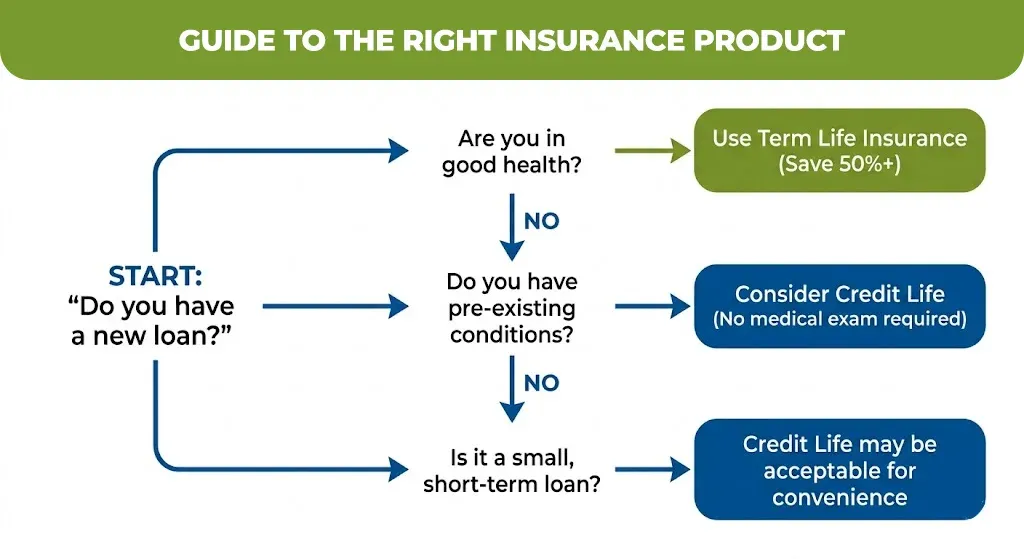
Waiting too long to secure coverage is a common mistake. In 2026, the cost of insurance still rises with age, and the risk of developing a condition that could complicate underwriting increases every year. While term insurance is often cheaper in the short term, it may not be the best fit for special needs planning. Term policies eventually expire. If a parent outlives a 20-year term, and the child still needs support, the family is left with no death benefit and a much higher cost to start a new policy. Permanent life insurance, such as whole life or universal life, is often favored because it guarantees the money will be there regardless of when the parents pass away.
- Whole Life Insurance: Offers a guaranteed death benefit and builds cash value over time, which can be used in emergencies, though the primary goal remains the payout to the trust.
- Universal Life Insurance: Provides more flexibility in premium payments, which can be helpful if a family's income fluctuates due to medical expenses for the child.
- Survivorship Policies: Often the most cost-effective way to provide a large sum of money to a trust upon the death of both caregivers.
Each of these options has a place in a thorough Life Insurance For People With Diabetes. The selection depends on the family's budget, the child's expected lifespan, and the level of care they will require in adulthood. A child who will never be able to live independently requires a much larger "bucket" of funds than a child who might be able to work part-time but still needs help managing their finances.
The Human Element of Underwriting
Insurance isn't just about math and tables. It’s about the people behind the numbers. In 2026, the best insurance professionals are those who approach their clients with empathy. They understand that a parent applying for a policy is likely exhausted from navigating school IEP meetings, doctor appointments, and therapists. They know that the application process can feel like one more hurdle in a life full of them. This is why the "impaired risk" specialist is so important; they act as an advocate for the parent, ensuring the insurance company sees the full picture of their life and health.
When a parent with a health history applies for coverage, the agent's ability to tell their story matters. If a mother has a history of depression—which is statistically common among caregivers—the agent can explain that this is a situational response to the demands of her child's care and that she is proactively managing it. In 2026, this kind of context can make the difference between a "standard" rate and a "declined" application. It is about finding a partner who sees the parent as a hero for their child, not just a liability on a spreadsheet.
Looking Ahead to Long-Term Stability
The 2026 era of Life Insurance For People With Diabetes is defined by better data and more compassionate strategies. While the legal and financial requirements are complex, the tools available to families are more effective than they have ever been. By combining the right insurance policy with a properly drafted Special Needs Trust, parents can create a legacy of care that persists for decades. This allows them to focus on the present, knowing that the future is being built on a solid foundation.
Ultimately, insurance is the bridge between a parent's current income and their child's future needs. It provides the certainty that no matter what happens, the resources will be there to maintain the child’s routine, home, and health care. For families living this reality, that peace of mind is worth every bit of the effort required to get the plan in place. Securing a policy today is an act of love that resonates long into the future, providing a silent, steady promise of protection for those who need it most.

Table of Contents
- – Securing a Future with Specialized Care in 2026
- – Modern Underwriting and the Impaired Risk Cat...
- – The Role of Survivorship Life Insurance
- – Integrating Insurance with Government Benefits
- – The Importance of Early Action and Policy Types
- – The Human Element of Underwriting
- – Looking Ahead to Long-Term Stability
Latest Posts
5 Essential Strategies for Life Insurance For People With Diabetes
Innovative Insurance Options for Dialysis and Kidney Care Patients
Why Insurance For Organ Transplant Recipients Is Vital for Chronic Conditions
Latest Posts
5 Essential Strategies for Life Insurance For People With Diabetes
Innovative Insurance Options for Dialysis and Kidney Care Patients
Why Insurance For Organ Transplant Recipients Is Vital for Chronic Conditions